
Moving to a new home is one of the biggest transitions a family can experience. It brings excitement, opportunity, and a fresh start—but it also comes with stress, disruption, and a long list of responsibilities. When children, routines, and daily responsibilities are involved, the process can feel overwhelming very quickly.
The key to a smoother move is not doing everything at once, but instead approaching it with structure, clarity, and intention. Families who plan ahead tend to experience less stress, fewer delays, and a more positive emotional transition overall.
A healthy new beginning is not just about arriving at a new house—it is about maintaining stability during change. That includes protecting routines, supporting children emotionally, staying organized with logistics, and ensuring essential needs are met throughout the process.
In this guide, we will walk through practical, real-world strategies that help families move efficiently while staying grounded, healthy, and emotionally balanced from start to finish.
Create a Step-by-Step Moving Plan for Your Family
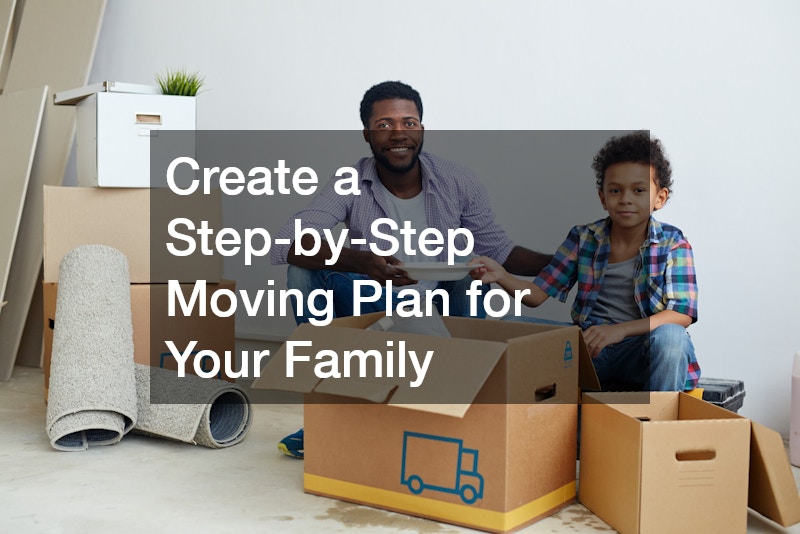
A successful family move always begins with structure. Without a plan, tasks pile up quickly, deadlines overlap, and stress increases. A clear step-by-step approach helps distribute responsibilities and keeps everyone on track.
One of the first decisions many families make is whether to hire a moving service to help manage transportation and logistics. This can significantly reduce physical strain and free up time for other important tasks. For heavier or more delicate items, working with a furniture mover ensures that large belongings are handled safely and efficiently.
Practical steps to build a moving plan:
- Create a moving calendar starting at least 4 to 6 weeks before moving day
- Break tasks into weekly categories (packing, cleaning, sorting, scheduling)
- Assign responsibilities to each family member where appropriate
- Pack non-essential items first to reduce last-minute pressure
- Keep a “daily essentials” zone for items you need until moving day
Helpful organization strategies:
- Label all boxes clearly by room and priority
- Use color coding for faster unpacking
- Keep important documents in a separate, secure folder
- Photograph electronic setups before disconnecting them
A structured plan does more than organize tasks—it reduces emotional strain by making the process feel manageable instead of chaotic.
Keep Health and Medical Care Organized During the Move
Amid packing and scheduling, health-related tasks are often overlooked. However, maintaining medical continuity is essential for a smooth transition, especially for families with children or ongoing care needs.
Scheduling a dental checkup before the move is a smart preventative step. It helps ensure that everyone is up to date with routine care before settling into a new location, where finding providers may take time.
It is also important to transfer records and maintain communication with family doctors during the relocation process. This ensures that prescriptions, medical history, and ongoing treatments are not interrupted.
Key health organization tips:
- Create a medical folder for each family member
- Include prescriptions, vaccination records, and insurance information
- Refill necessary medications before moving day
- Research new healthcare providers in advance if changing locations
- Schedule follow-up appointments shortly after arriving
What to keep accessible during the move:
- First aid supplies
- Daily medications
- Health insurance cards
- Emergency contact list
Staying organized with health-related tasks ensures that your family remains supported and cared for, even during a time of major change.
Support Young Children Through Emotional Adjustment
Children, especially toddlers, often feel the emotional impact of moving more strongly than adults. Their sense of routine and familiarity plays a major role in their comfort and stability.
Maintaining consistent toddler care routines during the moving process helps reduce anxiety and behavioral disruptions. Familiar schedules for sleep, meals, and playtime can provide a sense of normalcy even when the environment is changing.
In some cases, it may also be helpful to consult pediatricians if a child shows signs of stress, sleep disruption, or emotional withdrawal during the transition. Professional guidance can provide reassurance and practical coping strategies.
Ways to support young children:
- Talk positively about the new home and what to expect
- Involve children in simple packing tasks
- Keep favorite toys and comfort items easily accessible
- Maintain bedtime routines as consistently as possible
- Visit the new home or neighborhood if possible before moving
Emotional stability strategies:
- Avoid rushing children through the process
- Allow space for questions and concerns
- Reinforce a sense of security through consistent communication
- Keep transitions gradual rather than abrupt when possible
Helping children feel safe and included during a move creates a healthier emotional foundation for the entire family.
Arrange Reliable Childcare for Moving Day
Moving day itself can be one of the most hectic parts of the entire process. With boxes, movers, and logistics happening simultaneously, it is often difficult to supervise young children safely and effectively.
This is why arranging childcare in advance is so important. Many families explore affordable child care options temporarily during peak moving days to reduce stress and ensure children are in a safe, structured environment.
Reliable childcare allows parents to focus fully on logistics without constant interruption or safety concerns.
Childcare planning tips:
- Book childcare services as early as possible
- Confirm availability for full moving day hours
- Prepare a backup childcare option if needed
- Pack a small activity kit for children if they remain at home
- Share emergency contact information with caregivers
What to include in a childcare kit:
- Snacks and water
- Favorite toys or books
- Change of clothes
- Comfort items such as blankets or stuffed animals
Proper childcare planning helps ensure that moving day runs more smoothly and safely for everyone involved.
Plan for Pets During the Moving Process

Pets are often the most sensitive members of the household during a move. They rely heavily on familiar environments, scents, and routines, so sudden changes can lead to anxiety or confusion. Planning ahead helps reduce stress for both pets and owners.
One of the most effective solutions for moving day is booking a local pet hotel. This gives pets a safe, supervised environment away from the noise and disruption of boxes, movers, and open doors. It also allows families to focus on logistics without worrying about pets escaping or becoming overwhelmed.
Practical pet moving preparation:
- Keep feeding and walking routines as normal as possible
- Introduce moving boxes gradually so pets can adjust
- Pack pet essentials in a clearly labeled bag
- Keep favorite toys and bedding accessible until the last moment
- Update ID tags with current contact information
What to pack for your pet:
- Food and water supplies for several days
- Leash, carrier, or crate
- Medications if needed
- Comfort items like blankets or toys
Planning ahead for pets ensures they remain safe, calm, and supported throughout the transition.
Declutter and Organize Belongings Before Moving
Before packing everything into boxes, it is important to reduce unnecessary clutter. Moving presents the perfect opportunity to evaluate what you truly need and what can be donated, discarded, or stored. A lighter load makes the entire process faster, cheaper, and less stressful.
Many families may use a storage rental service during this stage, especially if there is a gap between moving out and settling into a new home. Storage lets you temporarily store items that aren’t needed right away without overcrowding your living space or rushing decisions.
For large or heavy furniture, working with a furniture mover ensures items are transported safely and efficiently, without risk of damage or injury.
Decluttering strategy:
- Sort items into keep, donate, store, and discard categories
- Focus on one room at a time
- Avoid packing items you have not used in over a year
- Take photos of sentimental items before letting them go
Benefits of decluttering before a move:
- Reduced moving costs due to less volume
- Faster packing and unpacking process
- Cleaner, more organized new home setup
- Less physical and mental overwhelm
Smart storage planning tips:
- Label all stored boxes clearly
- Store seasonal or rarely used items first
- Keep essential items separate for immediate access
Decluttering helps families start fresh with only the items that truly support their new lifestyle.
Maintain Family Routines During Transition
One of the biggest challenges during a move is maintaining consistency. Children, in particular, rely on routines to feel secure, and disruptions can lead to emotional or behavioral changes. Even adults benefit from structure during stressful transitions.
Staying connected with family doctors during this time ensures continuity in care, especially if prescriptions or ongoing treatments are involved. It also helps maintain stability when transitioning between healthcare providers in a new location.
Pediatricians can also play an important role in supporting children through the emotional and physical stress of moving, especially if changes in sleep, appetite, or behavior occur.
Routine stability strategies:
- Keep consistent meal and sleep schedules
- Maintain familiar bedtime routines
- Set daily “anchor points” like breakfast or evening reading
- Limit unnecessary changes during moving week
- Create a simple daily checklist for structure
Helpful family stability habits:
- Eat meals together whenever possible
- Keep familiar items visible in the home until moving day
- Maintain school and activity routines until the last practical moment
- Allow downtime for rest and emotional adjustment
Consistency helps reduce stress and creates a sense of normalcy even during major life changes.
Settle Into Your New Home Smoothly and Stress-Free
Once the move is complete, the focus shifts to settling in. This phase can feel just as overwhelming as packing if not approached strategically. Instead of trying to unpack everything at once, prioritize essential areas first.
If items are still in transit or space is limited, storage rental can be extremely helpful for keeping non-essential belongings organized while you focus on setting up key rooms.
A moving service can also assist with final deliveries or adjustments if needed, especially if multiple trips or staggered arrivals are involved.
Smart unpacking order:
- Kitchen first (for daily functionality)
- Bedrooms (for rest and stability)
- Bathrooms (for basic comfort)
- Living spaces last (for convenience and design)
Stress-free settling tips:
- Unpack one room at a time
- Take breaks to avoid burnout
- Focus on functionality before decoration
- Allow the home to evolve gradually over time
Helpful mindset shifts:
- Progress matters more than perfection
- It is normal for the home to feel unfinished at first
- Adjusting takes time for every family member
A gradual approach helps families feel more in control and less overwhelmed during the final stage of the move.
Building a Fresh Start Your Family Can Grow Into
Moving to a new home is more than a logistical task—it is a major life transition that affects every member of the family. When approached with structure, patience, and preparation, it becomes far more manageable and even meaningful.
By planning ahead, maintaining routines, supporting children and pets, and staying organized with essential services, families can reduce stress and create a healthier overall experience. Each step in the process contributes to a smoother transition and greater stability.
It is also important to give yourself grace during this time. Even with the best planning, not everything will go perfectly, and that is completely normal. Boxes may take longer to unpack than expected, schedules may shift, and emotions may run high. What matters most is how your family adapts together, not achieving a perfect timeline.
Another helpful mindset is to view the move as a gradual process instead of a single event. A home does not feel fully settled on the first day—it becomes familiar over weeks and even months. Allowing space for that adjustment helps reduce pressure and creates a more positive experience overall.
It can also help to intentionally create “anchor moments” in your new home. These are simple routines or small traditions that make the space feel familiar faster. For example, having the first family meal together in the new kitchen, reading bedtime stories in the same room each night, or setting up a weekend unpacking rhythm can all help establish comfort and stability.
Little daily progress is enough. Unpacking one room, establishing one routine, or completing one task at a time builds momentum without overwhelm. Over time, these small steps add up to a fully functional and comfortable home environment.
As your family begins to settle, focus less on perfection and more on connection. A home becomes meaningful through the memories created inside it, not just how quickly it is organized. The laughter, conversations, and everyday routines will gradually transform the space into something that feels truly yours.
A successful move is not measured by how quickly everything is unpacked, but by how well the family adjusts along the way. With the right approach, a new home truly becomes a fresh and healthy beginning for everyone involved.