
Modern family life involves more than managing schedules, meals, school activities, and household responsibilities. Families also have to make thoughtful decisions about safety, education, transportation, healthcare, and care services. While every household has different priorities, having a basic plan for common situations can make daily life more manageable and help family members feel prepared when unexpected circumstances arise.
From choosing educational opportunities for young children to understanding how to respond after an accident, families benefit from knowing what resources are available. It is equally important to think about transportation, mobility, aging relatives, and everyday activities that bring people together. Taking a proactive approach can help families make informed decisions without waiting until a stressful situation forces them to act quickly.

Build A Family Safety Plan
Every household can benefit from having a basic safety plan. It does not need to be complicated. The goal is to make sure everyone knows what to do during common emergencies and where to find important information.
Start by identifying emergency contacts and making sure family members know how to reach them. Children should understand how to contact emergency services and identify their home address. Parents can also establish a meeting location outside the home in case everyone needs to evacuate.
Keep first-aid supplies in an accessible location and periodically check that medications, batteries, flashlights, and other emergency items have not expired. Smoke detectors and carbon monoxide alarms should also be tested regularly.
Families should discuss different scenarios based on their circumstances. A plan for a household with young children may look different from one that includes teenagers, elderly relatives, or family members with mobility limitations.
Know What To Do After An Accident
Accidents can happen at home, on the road, at school, or during recreational activities. When someone is injured, the immediate priority should always be obtaining appropriate medical attention.
After the immediate emergency has been addressed, families may need to document what happened. Photographs, witness information, medical records, and other documentation can become important if the incident results in insurance claims or legal questions.
When an injury was caused by another party’s negligence, personal injury lawyers may be able to explain available legal options. Families do not necessarily need to make legal decisions immediately, but understanding their rights can help them determine what steps may be appropriate.
It is also important to keep records of medical treatment, expenses, missed work, and other consequences related to a significant injury. Organized documentation can make it easier to explain the circumstances later.

Choose Educational Opportunities Carefully
Education is one of the most important long-term considerations for families. Parents often evaluate schools and programs based on curriculum, teaching approaches, location, class sizes, schedules, and the needs of their children.
For families with young children, preschools can provide an early learning environment where children begin developing social, communication, cognitive, and classroom skills.
When evaluating an educational program, consider more than academics. Ask about how teachers communicate with families, how classrooms are structured, how children are supported when they need additional help, and how the program approaches social and emotional development.
Parents should also think about whether the environment aligns with their child’s personality and learning needs. A program that works well for one child may not necessarily be the best fit for another.
Support Children Beyond The Classroom
Education does not end when children leave school. Families play a major role in creating environments where children can develop curiosity, independence, and confidence.
Reading together, encouraging questions, participating in educational activities, and discussing new experiences can reinforce classroom learning. Everyday activities can also become opportunities for children to practice problem-solving and communication.
Parents do not need to turn the home into another classroom. Instead, simple routines can encourage learning naturally. Cooking together can introduce measurement, while trips to museums, libraries, parks, and community events can expose children to new ideas.
Older children may benefit from opportunities to manage responsibilities independently. Age-appropriate household tasks, organization, time management, and decision-making can help prepare teenagers for adulthood.
Keep Transportation Safe And Reliable
Transportation is an important part of family life. Parents may spend significant amounts of time driving children to school, activities, appointments, sports practices, and social events.
Vehicle maintenance should therefore be treated as a safety responsibility rather than simply a financial obligation. Follow recommended maintenance schedules and address warning lights, unusual noises, worn tires, and other concerns promptly.
Families who own recreational vehicles should also maintain them carefully. RVs can contain specialized systems that require attention beyond ordinary vehicle maintenance. When repairs are needed, local RV repairs can help address mechanical, electrical, plumbing, or other RV-related issues.
Keeping family vehicles in good condition can reduce the likelihood of unexpected breakdowns and help transportation remain dependable.
Prepare For Roadside Emergencies
Even well-maintained vehicles can experience unexpected problems. Flat tires, dead batteries, mechanical failures, and accidents can leave families stranded.
Every household should know what resources are available if a vehicle becomes disabled. Keeping emergency supplies such as water, blankets, flashlights, chargers, and basic tools in the vehicle can be helpful.
Families should also know how to request roadside assistance when necessary. Parents can save relevant phone numbers in their phones and make sure older children understand what information they may need to provide if they ever need help while traveling.
When a vehicle cannot safely continue operating, prioritize everyone’s safety. Move to a secure location when possible and follow instructions from emergency or roadside professionals.
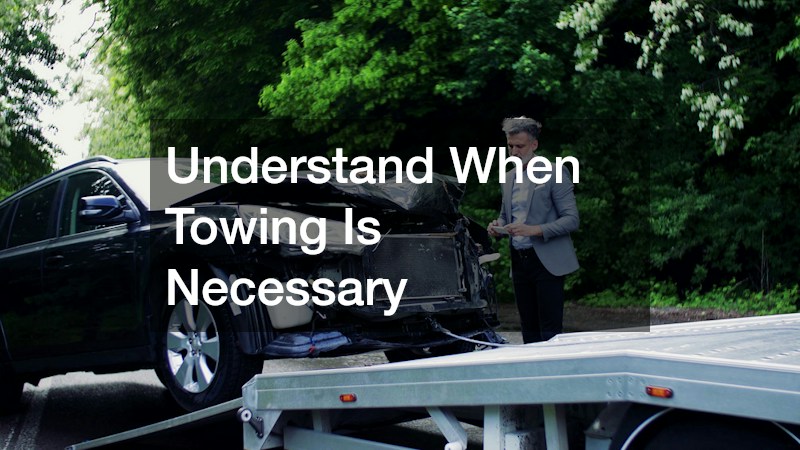
Understand When Towing Is Necessary
Sometimes roadside assistance can resolve a minor problem, but other situations require a vehicle to be transported to a repair facility. A serious mechanical failure, accident, flat tire that cannot be changed safely, or other problem may make driving unsafe.
A reputable tow service company can transport a disabled vehicle when continuing to drive would create additional risks. Families should know whether their insurance policy, roadside membership, or vehicle warranty includes towing coverage.
Teen drivers should also know what to do if their vehicle breaks down. Establishing a family procedure in advance can help reduce panic during an unfamiliar situation.
Plan Carefully For Household Moves
Moving is a major transition for families, particularly when children are involved. The process can affect school schedules, routines, friendships, and emotional well-being.
Parents can make the transition easier by discussing the move in age-appropriate ways and involving children in certain decisions. Young children may benefit from knowing what their new room will look like, while older children may want information about their new school or neighborhood.
For the physical move itself, local moving companies may be able to assist with packing, transporting, and unloading household belongings.
Families should also keep important documents, medications, valuables, and essential items accessible rather than packing them in boxes that will remain unavailable during the first few days.
Consider Care For Aging Family Members
Many modern families balance the needs of children with responsibilities involving aging parents or other relatives. Care needs can change gradually, making it useful to have conversations before a crisis occurs.
Begin by discussing what type of support an older family member actually wants and needs. Some people may only require help with transportation or household tasks, while others may need assistance with daily activities.
An in home care service may provide support within a familiar environment, depending on the person’s needs and the services offered. This can sometimes help families coordinate care while allowing an older relative to remain in their home.
Families should also consider medication management, mobility, nutrition, social connection, transportation, and emergency planning when evaluating long-term care needs.
Build A Relationship With Healthcare Providers
Regular healthcare is another important part of family planning. Preventive appointments can help identify potential concerns early and provide opportunities to discuss changes in health.
Parents should maintain records of children’s vaccinations, medications, allergies, medical history, and healthcare providers. Teenagers should gradually learn how to understand their own medical information and communicate with healthcare professionals.
Adults and older relatives may have additional needs related to mobility, chronic conditions, or recovery after injuries. When a musculoskeletal concern arises, local orthopedic doctors can evaluate conditions involving bones, joints, muscles, ligaments, and related structures.
Families should focus on finding healthcare professionals who communicate clearly and understand the patient’s individual needs.
Make Mobility A Family Priority
Mobility affects quality of life at every age. Children need safe spaces to run and play, adults need reliable transportation and functional environments, and older family members may require modifications that make daily movement easier.
Look around the home for potential hazards such as loose rugs, cluttered walkways, poor lighting, or slippery surfaces. Handrails and other accessibility features may become increasingly important as household needs change.
After an injury or medical procedure, temporary mobility limitations may require additional planning. Rearranging furniture, moving frequently used items within easy reach, and reducing trip hazards can make recovery easier.
Planning for mobility is not only about responding to current limitations. It can also help families create homes that remain useful as circumstances change.
Encourage Healthy Social Connections
Safety and care are important, but modern family life should also include opportunities for connection and recreation. Children and adults benefit from relationships, shared experiences, hobbies, and community involvement.
Family traditions can provide stability even when schedules are busy. Weekly meals, game nights, outdoor activities, movie nights, or weekend outings can create regular opportunities to spend time together.
For families who enjoy games, crafts, collectibles, or other hobbies, card shops can be community destinations where people discover activities and connect with others who share similar interests.
The specific activity matters less than creating opportunities for family members to interact without the pressure of school, work, or household responsibilities.
Plan For Special Family Events
Major family celebrations require their own safety and transportation considerations. Weddings, milestone anniversaries, graduations, and other events can involve large groups, unfamiliar locations, and transportation between multiple venues.
When transportation is needed for a formal event, wedding limos and other professional transportation options may help coordinate guests while reducing the number of individual vehicles on the road.
Families organizing large events should think about transportation schedules, accessibility needs, designated drivers, weather conditions, and emergency contacts. A little planning can make the event more enjoyable for everyone.
Teach Children Practical Safety Skills
Children gradually become more independent, which means they need practical safety skills that match their age and maturity.
Younger children can learn basic rules about crossing streets, staying with trusted adults, recognizing unsafe situations, and knowing when to ask for help. Older children can learn how to respond to emergencies, use basic first-aid supplies, protect personal information, and communicate with emergency services.
Teenagers should receive additional guidance about driving, online safety, strangers, substance use, and making decisions under pressure.
Safety conversations should be ongoing rather than limited to a single discussion. As children mature, families can revisit topics and introduce more advanced responsibilities.
Prepare For Unexpected Expenses
Family emergencies can create financial stress in addition to emotional stress. While no household can predict every expense, maintaining an emergency fund and reviewing insurance coverage can provide additional protection.
Families should understand the basics of their health, auto, homeowners, and other applicable insurance policies. Keep policy information and important contact details accessible.
It can also be helpful to maintain a list of trusted service providers for situations involving home repairs, vehicle problems, healthcare, and other urgent needs.
Knowing who to contact can save time when something goes wrong, especially when stress makes it difficult to research options.
Create A Family Information System
With so many responsibilities, organization becomes a safety tool. Families should have a central place for important information that household members can access when appropriate.
This might include emergency contacts, medical information, insurance details, school contacts, vehicle records, service providers, and household instructions.
Parents can also make sure trusted family members know where important documents are located. As children become older, gradually teach them how to access information they may need in an emergency.
The system does not have to be complicated. A secure digital document, household binder, or combination of both can help keep essential information organized.
Make Family Preparedness An Ongoing Process
Modern families face constantly changing responsibilities, which means safety, education, and care should not be treated as one-time concerns. Children’s needs evolve as they grow, older relatives may require additional support, and transportation or household circumstances can change unexpectedly.
The most effective approach is to review family plans periodically. Update emergency contacts, check safety equipment, review healthcare information, reassess transportation needs, and talk with family members about changing responsibilities.
Being prepared does not mean expecting something to go wrong. It means creating systems that make it easier to respond when life does not go according to plan.
Build A Stronger Foundation For Family Life
Modern families have many resources available to support their safety, education, transportation, healthcare, and everyday needs. The challenge is knowing what to consider before an urgent situation arises.
By creating safety plans, supporting children’s education, maintaining reliable transportation, planning for aging relatives, establishing healthcare relationships, and making time for meaningful family connections, households can become better prepared for both ordinary responsibilities and unexpected challenges.
Most importantly, preparation should be practical and flexible. Families change, children grow, and circumstances evolve. Reviewing plans regularly allows households to adjust as those needs change while creating a safer, more supportive, and more connected environment for everyone.