A family friendly backyard is more than a place for occasional play—it is a year-round living space that adapts with the seasons to support safety, comfort, creativity, and time together as a family. Maintaining this space requires thoughtful planning and routine upkeep, especially because every season affects your yard differently. From winter storms to spring growth bursts, summer activities, and fall cleanup, your outdoor environment constantly evolves. When you have children, pets, and guests using the space, making sure it stays aligned with both fun and safety becomes even more important.
Spring: Refresh and Prepare for Outdoor Play
After a long winter, spring is the perfect time to restore your family friendly backyard to a comfortable and usable condition. As temperatures rise and daylight increases, homeowners start to see where winter may have caused damage. Look for soil compaction, broken branches, worn-down pathways, or spots in the grass that need attention. Spring is also the ideal time to inspect your outdoor structures, including playsets, fences, garden beds, and storage sheds, to ensure they are ready to support safe play. Clear away any remaining snow debris, rake the lawn, and begin reseeding patchy areas so grass can grow thick and lush again. Adding mulch around trees and garden features helps prevent weeds, hold moisture, and protect roots as they begin to wake up.
One of the best spring projects is patio paver installation, where you create a stable foundation for activities like snack time, chalk art, and backyard puzzles. Solid ground helps prevent tripping hazards and keeps dirt out of children’s shoes. As you prepare garden beds, evaluate new ways to incorporate edible plants or fragrant flowers that stimulate children’s senses. When kids help with gardening, they learn responsibility and nature appreciation—which is perfect for a family friendly backyard focused on discovery.
Before allowing children full outdoor access, ensure spring storms haven’t left behind risks. Loose steps, branches, or broken features should be repaired early in the season. If you have outdoor toys or sports equipment, check for sharp edges or rust before setting them out again. Spring is all about preparing the space for a summer full of fun, so investing the time now helps create a safe and inviting environment. With fresh plants, cleaned surfaces, and updated layouts, your family friendly backyard transitions smoothly from winter dormancy to warm-weather excitement.
Summer: Maintain Safety and Encourage Active Play
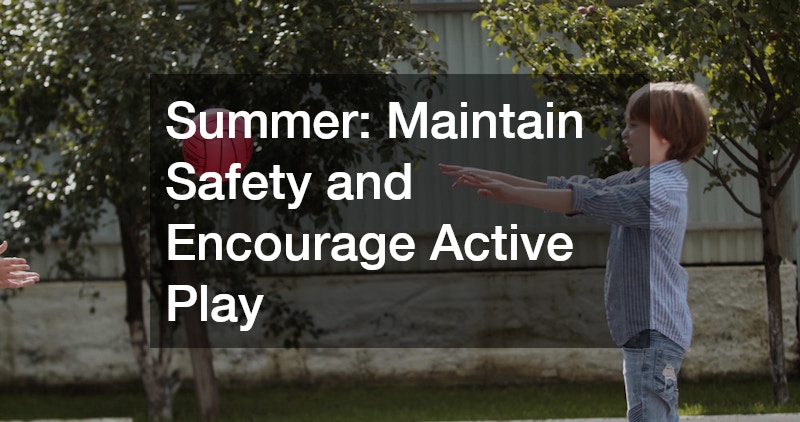
Summer is when your family friendly backyard gets the most use. Children spend hours running, splashing, climbing, and exploring, so you want every part of the yard to be secure and supportive of their activities. This is also the season when you pay close attention to hydration, shade, and cooling options. Set up shady zones using umbrellas, pergolas, or leafy trees to give families a break from the sun. Review play equipment weekly to ensure everything remains steady with regular usage. High-traffic areas may need additional mulch or padding, especially under climbing structures.
While summer inspires creativity and exploration, you must also focus on durability. Ground material like sand under play areas helps soften falls and encourages sensory play. Consider establishing designated zones for various age groups. Younger children can stay near parents while older children enjoy activities farther from the house. A table with puzzles, crafts, or washable paints adds more variety to their day. The key is to prevent boredom so everyone continues loving time outside.
Heat inevitably brings pests, algae growth on surfaces, and quicker wear in grassy patches. Water your lawn deeply but not too frequently to avoid shallow root systems. Keeping grass a little longer helps retain moisture and keep barefoot play comfortable. Inspect fences and gates to ensure pets remain safely inside. Encouraging kids to participate in cleanup fosters responsibility—daily toy pickup and checking for misplaced items keeps your family friendly backyard clean and safer for the next play session.
Fall: Clean, Repair, and Prepare for Weather Changes
Once summer fun winds down, fall becomes a transition season for your family friendly backyard. The weather cools, leaves drop, and many plants begin preparing for rest. Fall cleanup prevents problems from snow or frozen debris later. Raking leaves is important, but rather than simply disposing of them, use them smartly in composting projects. Kids can learn about decomposition and sustainability while helping you break down leaves into healthy soil for spring.
Tree maintenance grows more important this time of year. Remove hazardous foliage with tree branch removal if clusters are hanging too low or dead wood is visible. Fall is ideal for assessing the health of trees as they shed leaves, making it easier to identify damaged or brittle limbs that could break during storms. Maintaining clear sightlines also helps keep supervision easier in a family friendly backyard, especially when days get shorter.
Hard surfaces benefit from seasonal inspection, too. Outdoor stairs, stone pathways, or foundation pads can loosen with summer heat expanding the ground. Tighten loose fixtures and fill gaps before winter temperatures cause further movement. While you are reorganizing toys and seasonal equipment, this is a great time to plan upcoming enhancements. If you’re considering adding outdoor lighting, fall is ideal—longer nights encourage families to spend chilly evenings enjoying lantern walks, fire pits, and storytelling under the stars.
Mulching around gardens and trees insulates roots from frost. If your lawn experienced summer stress, fall is also excellent for overseeding to build resilience. Your family friendly backyard should look just as appealing in October as it does in June, even if activities shift from swimming and sports to cozy gatherings and nature scavenger hunts. With leaves swirling and colors changing, fall ensures that play becomes imaginative in a different way—and your yard remains safe and well-kept while transitioning to quieter months.

Winter: Protect Structures and Plan for Spring
Winter can be harsh on outdoor spaces, but that doesn’t mean you pause your commitment to a family friendly backyard. Instead, winter becomes a season of protecting what you have and preparing for what’s ahead. Store away delicate toys, cover outdoor furniture, and examine fences for potential gaps that animals might exploit during cold months. Snow and ice can bend older materials, so reinforce anything that looks unstable.
Tree health becomes even more essential in winter. Hiring experts for arborist services can help you evaluate structural stability and tree health to prevent snow-laden branches from damaging property or posing risks to children when they return outdoors. If you live in an area that receives heavy snow, consider creating clear walking routes to avoid slippery, unpredictable surfaces. Outdoor lighting is also crucial during this season; it ensures safe visibility when children and pets go outside briefly.
Winter is a planning season. This is when families think about improvements they want to make once temperatures rise again. Maybe you’ve been considering hardscaping enhancements such as a durable play court, updated walkways, or seating spaces for parents to relax while children enjoy the yard. Drawing up project ideas during winter gives you time to budget and consult with professionals before spring demand increases. Meanwhile, regularly sweeping snow away from structures prevents moisture buildup that could cause rotting or mold.
One overlooked benefit of winter is teaching children how to enjoy nature in quieter forms. Bird feeders, animal tracking, and snow forts provide ways to stay active outdoors without risking damage to tender plants. Even brief outdoor moments help your family friendly backyard remain a part of everyday life, reminding kids that outdoor play doesn’t disappear when the seasons change.
Landscaping for Year-Round Interest and Functionality
Your family friendly backyard thrives when landscaping is carefully designed to support multiple needs throughout the year. Landscaping isn’t just about appearance—it’s about structure, accessibility, and the experiences offered in each season. Spaces covered with mulch, stones, or groundcover plants help reduce slipping hazards during rainy weather. Creating curved pathways guides children safely between play areas, gardens, and seating zones without trampling grass.
Seasonal plant planning enhances functionality. Families benefit from visiting plant nurseries to select a variety of vegetation that blooms in different months. This ensures color, shade, and habitat remain present 12 months a year. Evergreens add winter interest, while pollinator-friendly flowers turn spring and summer into vibrant exploration zones. Growing berry bushes or herb gardens invites sensory engagement and healthy snacking.
Maintaining clear sightlines is essential when children play outdoors. Trim shrubs and remove clutter that may block supervision or create hiding spots. Lawn care routines vary each season—fertilizing in fall, mowing properly in summer, and aerating in spring—all of which help your family friendly backyard remain soft, healthy, and barefoot-friendly. Watering habits also shift depending on rainfall patterns.
Raised beds and container planters are excellent for families who want simple gardening projects. Children love having their own planting spots, where they can watch flowers grow or harvest vegetables they helped care for. Landscaping is a constant evolution; as children grow, updating features ensures they stay challenged and interested. Thoughtful design brings joy to all ages and keeps your yard thriving no matter the season.

Pest Control, Supervision, and Secure Boundaries
Even the most beautiful family friendly backyard requires ongoing safety checks. Outdoor environments are constantly exposed to wildlife, insects, and hidden hazards that children may not recognize. The more time your family spends outdoors, the more important it becomes to keep pests and animals under control. Partnering with animal removal services ensures that critters like raccoons, squirrels, or stray cats do not nest near play areas. This avoids bite risks and protects gardens too.
Proper fencing is foundational in family-safe design. Inspect fences and gates each season for rust, wobbly posts, or gaps. Functional latches prevent small children from wandering out or unfamiliar animals entering. Lighting improves surveillance and reduces trip risks at dusk. Parents should also set clear boundaries around grills, fireplaces, and tools—even seasonal items such as gardening shears or ladders should be secured when not in use.
Check surfaces where children run frequently. Remove lawn toys and fill holes to avoid ankle injuries. Establish a routine of inspecting climbing equipment, trampoline springs, and swing chains. Fun should challenge children in positive ways, not create unpredictable hazards. And for families with older trees, winter storms may weaken structures, making tree removal necessary to prevent falling limbs or root upheaval.
Safety is a lifestyle in a family friendly backyard, not a once-a-year task. Involving kids in seasonal inspections helps them build awareness and respect for their environment. When everyone understands how to maintain order and tidiness outdoors, the result is a space you can trust—day and night, season after season.
Designing Spaces for Every Age Group
A truly family friendly backyard supports both active fun and developmental growth. Creating activity zones tailored to age groups ensures that toddlers, older children, and adults all have ways to enjoy the space. Hands-on experiences like gardening, climbing, exploring textures, and imaginative play help children expand motor skills and confidence. Consider spaces dedicated to projects for toddlers and parents where creativity happens together—gardening boxes, mud kitchens, and art stations allow young children to explore safely with supervision.
Adventurous play is equally important for older children. Swing sets, sports nets, or skate paths help them burn energy while improving coordination. For families who enjoy the outdoors year-round, seasonal tools like sleds or campfire pits add special memories to winter and fall months. Versatility helps ensure your yard never loses excitement, even as interests change.

When to Call in Professionals for Maintenance
Some outdoor projects go beyond DIY capabilities. A well-maintained family friendly backyard may require professional support to ensure safety and quality. For instance, if you notice dying branches or leaning trunks, scheduling tree remodel service can help reshape tree structures for better growth and safety. Structural pruning can increase sunlight while reducing hazards. Applying expertise at the right time protects both landscaping and the people who enjoy it.
If your yard features drainage issues, cracked patios, or sinking soil, professionals can assess underlying problems. Enhancing durability may include leveling, reinforcing bases, or redesigning the layout for better water flow. With children using the yard frequently, preventing erosion and pools of water keeps your lawn greener and playground areas usable. Some families also seek help installing soft landing materials or repairing fences to maintain secure boundaries.
Special projects such as backyard sports courts, pergolas, or large play structures benefit from expert construction. Skilled workers ensure materials meet standards for outdoor use and can withstand active play. If you have pets, consult professionals about safe invisible fencing or barrier upgrades that keep everyone contained in your family friendly backyard.