Helping your child develop a healthy relationship with oral hygiene is one of the most valuable things you can do as a parent. Strong dental habits don’t just prevent cavities—they build confidence, reduce anxiety around healthcare, and set the stage for lifelong wellness.
The key is to start early, stay consistent, and make the process positive rather than stressful. Children who grow up viewing oral hygiene as a normal, even enjoyable part of their day are far more likely to carry those habits into adulthood. With the right approach, you can turn brushing, flossing, and dental visits into experiences your child understands, accepts, and even looks forward to.
Below are practical, actionable strategies to help you guide your child toward excellent oral health in a way that feels natural and supportive.
Start Oral Care Habits as Early as Infancy
Building a strong foundation begins earlier than many parents realize. Even before your baby’s first tooth appears, oral hygiene should already be part of your daily routine. Establishing these habits early helps normalize the process and reduces resistance later on.
In the earliest stages of early childhood care, gently clean your baby’s gums using a soft, damp cloth after feedings. This helps remove bacteria and gets your child accustomed to the sensation of oral cleaning.
As teeth begin to emerge, transition to a small, soft-bristled toothbrush designed for infants. Use only a tiny smear of toothpaste and focus on creating a calm, predictable routine.
Helpful early habits include:
-
Brushing at the same times every day (morning and before bed)
-
Keeping the process gentle and unhurried
-
Talking or singing softly to create a soothing experience
As your child grows, consistency becomes more important than perfection. The goal is to make dental care feel like a normal part of life—not a chore or punishment.
By integrating dental care into your daily rhythm from infancy, you help your child develop comfort and familiarity that will last for years.
Make Brushing and Flossing Fun and Engaging
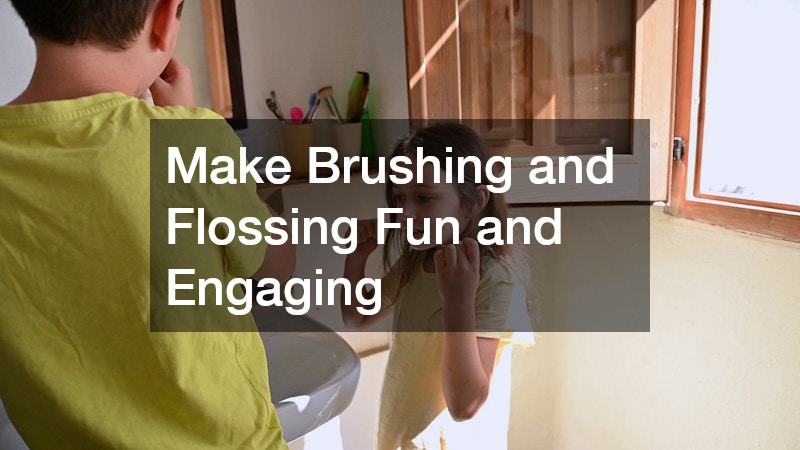
Young children are far more likely to participate in routines that feel like play. Turning oral hygiene into an enjoyable activity can dramatically improve cooperation and consistency.
Many habits introduced in childcare environments or pre k classrooms can reinforce what you do at home. For example, group brushing songs or structured routines often help children feel more excited about participating.
You can bring that same energy into your home by:
-
Playing a favorite two-minute song during brushing
-
Letting your child pick out their own toothbrush and toothpaste
-
Using a sticker chart or reward system for consistency
-
Creating a “brushing dance” or silly routine
Flossing can also be introduced in a fun way by using kid-friendly flossers and turning it into a quick challenge or game.
Additional ideas to keep things engaging:
-
Use apps or timers designed for kids
-
Tell stories about “sugar bugs” being brushed away
-
Brush your teeth alongside your child to model the behavior
When children associate oral hygiene with fun and positive attention, they’re more likely to stay engaged and develop long-term habits.
Choose the Right Dental Professional Early On
Selecting the right dental provider can make a significant difference in how your child perceives oral health. A supportive, child-focused environment helps reduce fear and builds trust from the very beginning.
Pediatric dentists specialize in treating young patients and are trained to handle the unique needs of children at different developmental stages. They often use kid-friendly language, smaller tools, and techniques designed to keep children calm and comfortable.
When searching for a childrens dentist, consider the following:
-
Does the office have a welcoming, child-friendly atmosphere?
-
Are the staff experienced in working with anxious or first-time patients?
-
Do they communicate clearly with both parents and children?
Your child’s first visit should happen early—typically by their first birthday or when their first tooth appears. Early visits are usually simple and focus on:
-
Checking tooth development
-
Identifying any early concerns
-
Helping your child get used to the dental environment
A positive relationship with dental professionals early on can prevent fear and encourage cooperation as your child grows.
Create Positive First Dental Experiences
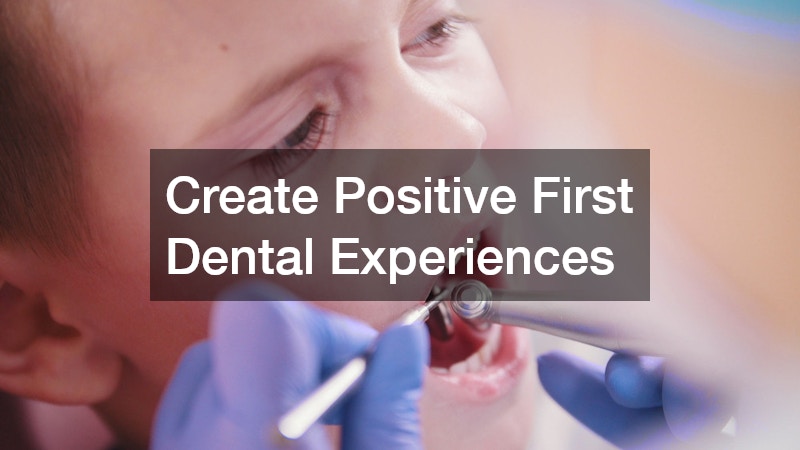
First impressions matter, especially when it comes to healthcare experiences. A child’s early visits to dental offices can shape how they feel about oral hygiene for years to come.
Preparation is key. Before the appointment, talk to your child about what to expect in a calm, reassuring way. Avoid using words that might create anxiety, and instead focus on the helpful and friendly aspects of the visit.
To create a positive experience:
-
Read books or watch videos about visiting the dentist
-
Role-play a dental visit at home
-
Explain that the dentist helps keep teeth strong and healthy
Choosing the right dental offices also plays a big role. Look for spaces that offer:
-
Bright, welcoming decor
-
Friendly, patient staff
-
A calm and supportive environment
During the visit, stay relaxed and encouraging. Children often take cues from their parents, so your attitude can greatly influence their comfort level.
Positive early experiences reinforce the idea that dental care is safe, helpful, and nothing to fear.
Be a Role Model for Healthy Oral Hygiene
Children learn by observing the adults around them. If they see you prioritizing oral hygiene, they’re more likely to adopt the same habits.
Make brushing and flossing a shared activity whenever possible. This not only reinforces good technique but also turns the routine into a bonding experience.
Scheduling appointments with a family dentist can further normalize dental visits. When children see that everyone in the household visits the dentist regularly, it becomes a standard part of life rather than something unusual.
You can also build trust by consistently visiting the same local dentist, allowing your child to become familiar with the environment and staff.
Ways to model healthy habits include:
-
Brushing and flossing together daily
-
Talking about why oral health is important
-
Demonstrating proper technique
-
Maintaining a positive attitude about dental visits
Your example sets the tone. When oral hygiene is clearly valued at home, children are more likely to take it seriously themselves.
Focus on Nutrition That Supports Strong Teeth
Diet plays a major role in oral health, and teaching your child about healthy food choices can make a lasting impact. While brushing and flossing are essential, what your child eats directly affects the strength and health of their teeth.
Focus on incorporating foods that support strong teeth, such as:
-
Dairy products rich in calcium
-
Leafy greens and vegetables
-
Crunchy fruits like apples and carrots
-
Foods high in phosphorus, like eggs and nuts
At the same time, try to limit:
-
Sugary snacks and candies
-
Sticky foods that cling to teeth
-
Frequent snacking throughout the day
-
Sugary drinks like soda and juice
Encouraging water as the primary beverage is one of the simplest and most effective habits you can promote.
You can also make nutrition education fun by:
-
Letting your child help choose healthy snacks
-
Explaining how certain foods help “build strong teeth”
-
Packing balanced lunches with tooth-friendly options
When children understand the connection between diet and oral health, they’re more likely to make better choices.
Teach Proper Techniques Step by Step
Knowing how to brush and floss properly is just as important as doing it regularly. Children need clear, age-appropriate guidance to develop effective techniques.
Start by demonstrating the correct method:
-
Use small, circular motions when brushing
-
Gently clean along the gumline
-
Brush all surfaces of each tooth
-
Spend at least two minutes brushing
For younger children, you’ll need to take an active role in brushing their teeth. As they grow, gradually encourage independence while continuing to supervise.
Flossing should be introduced once teeth begin to touch. Use child-friendly flossers to make the process easier and more comfortable.
Helpful tips for teaching technique:
-
Break the process into simple steps
-
Offer gentle corrections rather than criticism
-
Practice consistently to build confidence
-
Use mirrors so children can see what they’re doing
Patience is essential. Mastery takes time, but consistent guidance helps children develop strong, effective habits.
Address Dental Anxiety with Patience and Support
It’s normal for children to feel nervous about new experiences, including dental visits. Addressing anxiety early can prevent long-term fear and resistance.
Start by recognizing the signs of discomfort, such as:
-
Reluctance to talk about dental visits
-
Clinginess or hesitation before appointments
-
Expressing fear or asking repeated questions
To ease anxiety:
-
Talk openly about what to expect
-
Use positive, reassuring language
-
Avoid sharing negative dental experiences
Role-playing can be especially helpful. Pretend to be the dentist and walk through the steps of an appointment in a playful way.
Other strategies include:
-
Bringing a favorite toy or comfort item
-
Scheduling appointments at calm times of day
-
Praising your child for bravery
If anxiety persists, consider discussing it with your dental provider. Many professionals are experienced in helping children feel more comfortable and supported.
Plan for Orthodontic Awareness Early
As your child grows, their dental needs will evolve. Being proactive about orthodontic care can prevent more serious issues later on.
Some early signs that your child may need braces include:
-
Crooked or crowded teeth
-
Difficulty chewing or biting
-
Thumb-sucking habits that persist beyond early childhood
-
Jaw alignment issues
Most experts recommend an orthodontic evaluation by age seven, even if no obvious problems are present. Early assessments allow professionals to monitor development and intervene if necessary.
When discussing braces with your child:
-
Keep the conversation positive and age-appropriate
-
Emphasize the benefits, such as a healthier smile
-
Normalize the experience by mentioning peers who have them
If treatment becomes necessary, encourage responsibility by:
-
Teaching proper cleaning techniques
-
Explaining dietary adjustments
-
Reinforcing the importance of consistency
Early awareness helps ensure smoother treatment and better outcomes.
Build Consistency with Routine Checkups
Regular dental visits are a cornerstone of good oral health. Consistent checkups allow professionals to monitor development, catch issues early, and reinforce healthy habits.
Most children should visit the dentist every six months, though your provider may recommend a different schedule based on individual needs.
To stay on track:
-
Schedule appointments in advance
-
Set reminders for upcoming visits
-
Keep a consistent routine year after year
Between visits, continue reinforcing good habits at home. Celebrate milestones and improvements to keep your child motivated.
Benefits of routine checkups include:
-
Early detection of cavities or other issues
-
Professional cleanings that remove buildup
-
Ongoing education for both parents and children
Consistency builds familiarity and trust, making each visit easier and more comfortable over time.
Fostering a positive relationship with oral health in your child is a gradual process built on consistency, encouragement, and example. This journey begins early in your child’s life and requires thoughtful planning and dedication. By establishing routines at a young age, you make the unfamiliar practice of oral care a predictable part of their day, which in turn, minimizes resistance and builds acceptance. Encouragement plays a pivotal role; it goes beyond simply telling your child to brush their teeth. It involves praising their efforts, celebrating small achievements, and offering reassurances when mistakes are made. Equally important is the power of example. Children often mimic the behavior of their parents or caregivers, so showing them your commitment to oral health by maintaining your dental hygiene can significantly influence their perception and habits. By starting early, making routines enjoyable through playful techniques, and creating supportive experiences, such as reading stories about oral hygiene or engaging in fun educational activities, you can help your child develop habits that last a lifetime.
Every small step—from brushing together to choosing healthy snacks—contributes to a stronger foundation. Engaging in daily brushing sessions together can turn a mundane task into a bonding activity, where stories are shared and laughter is encouraged. In teaching your child about the importance of choosing healthy snacks, you lay the groundwork for nutritional choices that benefit more than just their teeth; you promote overall well-being. With patience and a proactive approach, where you anticipate challenges and prepare for them ahead of time, you can smoothly navigate bumps along the way. This helps turn oral hygiene into a natural, positive part of your child’s daily life. Instilling these practices early not only sets them up for long-term dental health but also boosts their confidence, as they take pride in caring for themselves and managing their wellbeing.