When a major storm hits, it can turn your home into a scene of confusion. Shingles scatter across the yard, windows shatter, and water finds its way into every vulnerable corner. In the aftermath, the mix of shock and urgency can make it difficult to know where to start. But the road to recovery always begins with calm, steady action. You don’t need to repair everything at once. The first step is to make your space safe again, assess the damage, and build a plan that will guide you through cleanup, repair, and rebuilding.
Storm recovery is rarely quick. It often takes patience, coordination, and help from qualified professionals who understand what structural, environmental, and safety challenges follow a weather disaster. With clear priorities, your home can move from wreckage to restoration without unnecessary stress. The key is to focus on safety first, then proceed in logical stages: inspection, cleanup, mitigation, and finally repair.
Check for Immediate Hazards Before Doing Anything Else
Safety comes before cleanup. After a storm, electrical hazards, gas leaks, and structural instability are often invisible until it’s too late. Walk the perimeter of your home carefully, keeping a safe distance from sagging power lines and unstable walls. Check for any part of the roof that appears to have caved in or separated from the structure. If flooding has occurred, turn off your main electrical supply and avoid walking in standing water until professionals clear the area. These precautions can prevent serious injury in the rush to start cleaning.
Outside, fallen trees and hanging limbs present one of the biggest dangers after a major storm. Calling a tree removal service is the safest way to clear these hazards. Trained crews can manage the weight and tension in heavy branches without causing more damage. Once the largest obstacles are gone, a tree trimming service can tidy up remaining limbs, reducing the risk of further breakage when the next storm arrives. Clearing your yard creates space for roofers, inspectors, and restoration specialists to safely reach every part of your property.
Once your surroundings are secure, check the structure itself for visible cracks, leaks, and signs of water penetration. Documenting every issue before cleanup begins helps insurance adjusters and contractors make accurate assessments later. This evidence also helps you prioritize which parts of the home need immediate attention and which repairs can wait.
Start Cleanup in Phases to Keep Work Manageable
Cleanup should happen methodically rather than all at once. Start by opening windows and removing soaked items that trap moisture. Furniture, carpets, and drywall can quickly grow bacteria and mold if left damp. If your property is filled with debris, a roll off dumpster rental service provides a simple way to keep waste contained and out of the way. Having a dedicated disposal area prevents accidents and keeps the property accessible for professionals who need to inspect the damage.
Even after the main debris is removed, you’ll often find smaller piles of broken materials, scrap wood, and damaged belongings scattered throughout. When it becomes too much to handle alone, hiring a junk hauling company can make the process easier. These professionals can remove items that can’t be salvaged, freeing up space to dry and ventilate the structure. Efficient cleanup also prevents pests and odors from taking hold while the building is being restored.
When you’re done clearing out debris, take time to walk through the interior with a focus on dampness. Water trapped behind walls, under floors, or inside insulation can lead to future decay. Early attention prevents those hidden issues from evolving into long-term structural problems.
Focus on Water Removal and Drying Out the Structure
Standing water must be removed before any serious repairs can begin. Pumps and wet vacuums can handle surface flooding, but trapped moisture in walls or floors is trickier. Industrial fans and dehumidifiers can help stabilize humidity levels, but they often aren’t enough on their own. Once basic drying is underway, it’s smart to bring in professional mold removal services to test and treat affected areas. Mold spores can spread invisibly through the air and cause health problems if not handled correctly.
Even after mold is treated, moisture can linger in the wood that supports your home. When wooden framing or trim stays damp too long, it begins to weaken and crumble. Scheduling wood rot repair early keeps this damage contained. Restoring weakened areas not only protects structural integrity but also reduces the risk of future infestations or sagging floors. Addressing moisture at its source is one of the most effective ways to ensure your home truly recovers rather than just looks repaired.
When the air feels fresh again and surfaces are dry to the touch, monitor indoor humidity for several more days. Repeatedly checking these levels ensures hidden leaks aren’t still feeding damp spots out of sight. Once the environment stabilizes, it’s time to move from mitigation into true rebuilding.
Restore and Reinforce the Roof and Exterior
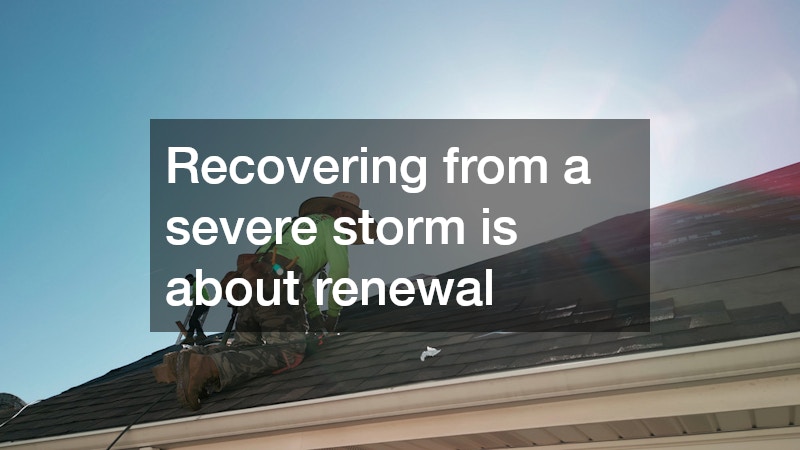
The exterior shell of your home protects everything else inside, which is why roof inspections should follow closely after drying. Even if leaks seem minor, they can quickly worsen under the next rainfall. Many homeowners who had previously installed a metal roof discover that their damage is less severe since metal panels often resist impact and shed water efficiently. However, dents or loosened seams can still compromise protection, so have a professional roofer inspect every connection and fastener.
If you don’t have a metal roof, check for missing shingles or cracked flashing around vents and chimneys. Temporary tarps can provide cover until repairs begin, but they’re not a long-term fix. Re-sealing and reinforcing the roofline now ensures interior work stays dry and secure. Address siding damage at the same time, because wind-driven rain can slip behind panels and soak insulation without visible warning.
While working on the exterior, inspect gutters, downspouts, and drainage paths. Clogged systems are common after storms and can cause water to collect around the foundation. Cleaning these areas prevents erosion and reduces future flooding risk. Once the outside shell is tight again, the focus can return to rebuilding what’s inside.
Rebuild Safely With Professional Support
After the debris is gone and the structure is secure, rebuilding finally begins. This stage requires patience and expertise, because cutting corners can undo all the progress made so far. Hiring reputable home restoration services helps coordinate multiple trades—roofers, electricians, carpenters, and plumbers—under a single project plan. Restoration professionals understand how water and wind compromise materials, ensuring the right repairs happen in the right order.
As you rebuild, think strategically about improvements. For instance, if your kitchen was heavily damaged, partnering with a kitchen remodeler gives you the chance to redesign the layout for both efficiency and durability. Water-resistant flooring, sealed cabinetry, and upgraded ventilation systems can make the space more storm-resilient than before. Viewing recovery as both repair and renewal can transform the process from overwhelming to empowering.
Throughout construction, resist the urge to rush. Give new materials time to settle and dry before sealing or painting. Quick fixes often lead to bubbling paint, warped boards, or lingering moisture problems. Letting professionals set the pace results in a sturdier, longer-lasting recovery.
Handle Environmental and Health Concerns Carefully
Storm damage often exposes materials that were previously sealed or stable. Older homes, especially, may contain insulation or tiles that include asbestos fibers. Attempting to remove or disturb them without protection can create serious health risks. Calling local asbestos abatement removal specialists ensures these materials are handled under safe, regulated conditions. They’ll test, contain, and dispose of hazardous debris properly so it doesn’t circulate through your air system or settle on surfaces.
Once contaminants are handled, schedule an inspection of your ventilation system. Ducts can harbor moisture, dust, and microscopic debris that circulate throughout the house after restoration. Clean, balanced airflow helps prevent lingering odors and protects air quality. When you know that both the visible and invisible hazards are gone, the sense of safety inside your home starts to return.
Environmental safety goes beyond indoor air. Stormwater can leave behind soil contaminants or residue that affects outdoor plants and drainage. A professional cleanup and soil assessment help ensure that what surrounds your home remains healthy too.
Dispose of Remaining Waste and Materials Responsibly
As reconstruction progresses, you’ll notice new piles of scrap wood, packaging, and insulation left over from contractors. Keeping the site organized is critical to avoiding injury and keeping costs under control. Renting another roll off dumpster rental service ensures all waste is collected efficiently and hauled away as work finishes. This keeps driveways clear, prevents nails from puncturing tires, and creates a professional atmosphere during inspections.
When work is nearly complete, a junk hauling company can help remove any leftover materials, broken furniture, or yard debris. Having everything cleared in one final sweep marks the true end of the cleanup phase. It also signals to neighbors, inspectors, and potential buyers that your property has fully recovered. A clean, open yard not only improves curb appeal but makes maintenance easier going forward.
Final cleanup is also a good time to review your insurance paperwork and receipts. Keeping thorough documentation of every service you used—from restoration crews to waste removal—creates a clear record for future claims. It also helps you evaluate which providers performed best should another storm ever occur.
Strengthen and Future-Proof Your Property
A restored home is more than a repaired structure—it’s an opportunity to build resilience. Once immediate repairs are complete, look for weak points that could be reinforced before the next season. Upgrading window seals, reinforcing doors, and improving grading around the foundation all make the home more storm-ready. Investing in routine maintenance now prevents repeated damage later, turning lessons learned into lasting protection.
For homeowners concerned about future flooding or leaks, upgrading to a metal roof provides long-term security. Metal surfaces resist both water and wind better than most traditional shingles and can reduce maintenance costs for decades. Combine that with regular gutter cleaning and yard maintenance to keep water flowing away from the property instead of collecting around it.
Preventive maintenance also extends to outdoor structures and trees. Working with a tree trimming service once or twice a year keeps branches strong and reduces the chance of limbs falling on your home. A tree removal service can handle any large or decaying trees before they become dangerous. These small steps maintain both beauty and safety while protecting your investment.
Reclaim Comfort and Normalcy
When the tools are packed up and the last contractor leaves, your house may look whole again—but emotionally, recovery often takes longer. A storm shakes more than foundations; it disrupts your sense of security. Reclaiming comfort means restoring not just walls and windows, but the peace of knowing your home can withstand what comes next. That reassurance grows every time you see improvements working as intended—dry floors after heavy rain, a quiet roof during wind, and an orderly yard where debris once piled high.